Debris Removal & Yard Cleanup
After a hurricane, your yard looks like a war zone — downed tree limbs, scattered debris, damaged fencing, roof materials, and storm detritus covering every inch of your property.
Post a Job for This ServiceAfter a hurricane, the debris field is its own kind of damage. Downed limbs and entire trees, snapped fence sections, peeled-off shingles, blown-in siding, ruined patio furniture, shredded pool screens, broken roof tiles, drywall pieces, and storm trash from three streets over all need to be hauled, piled, or curbside-staged before insurance adjusters can properly walk the property and repair contractors can start work.
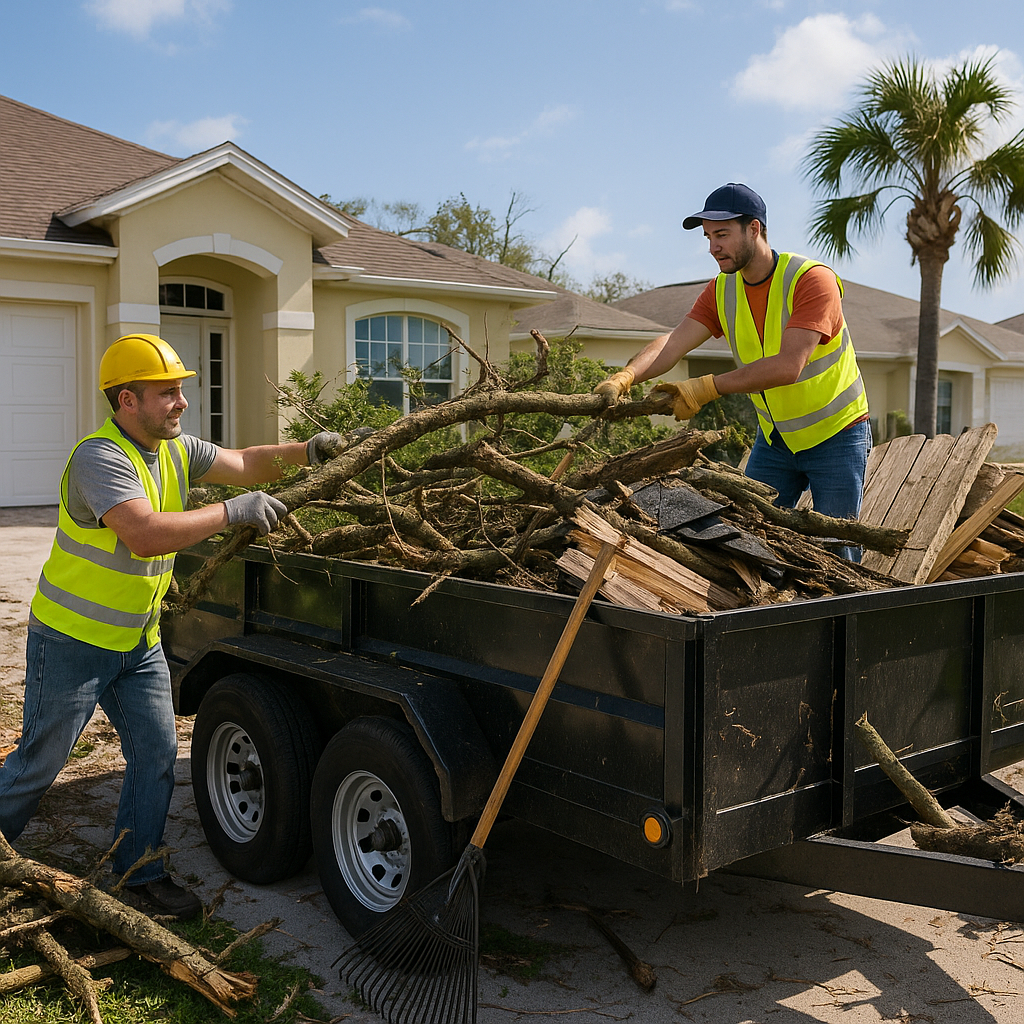
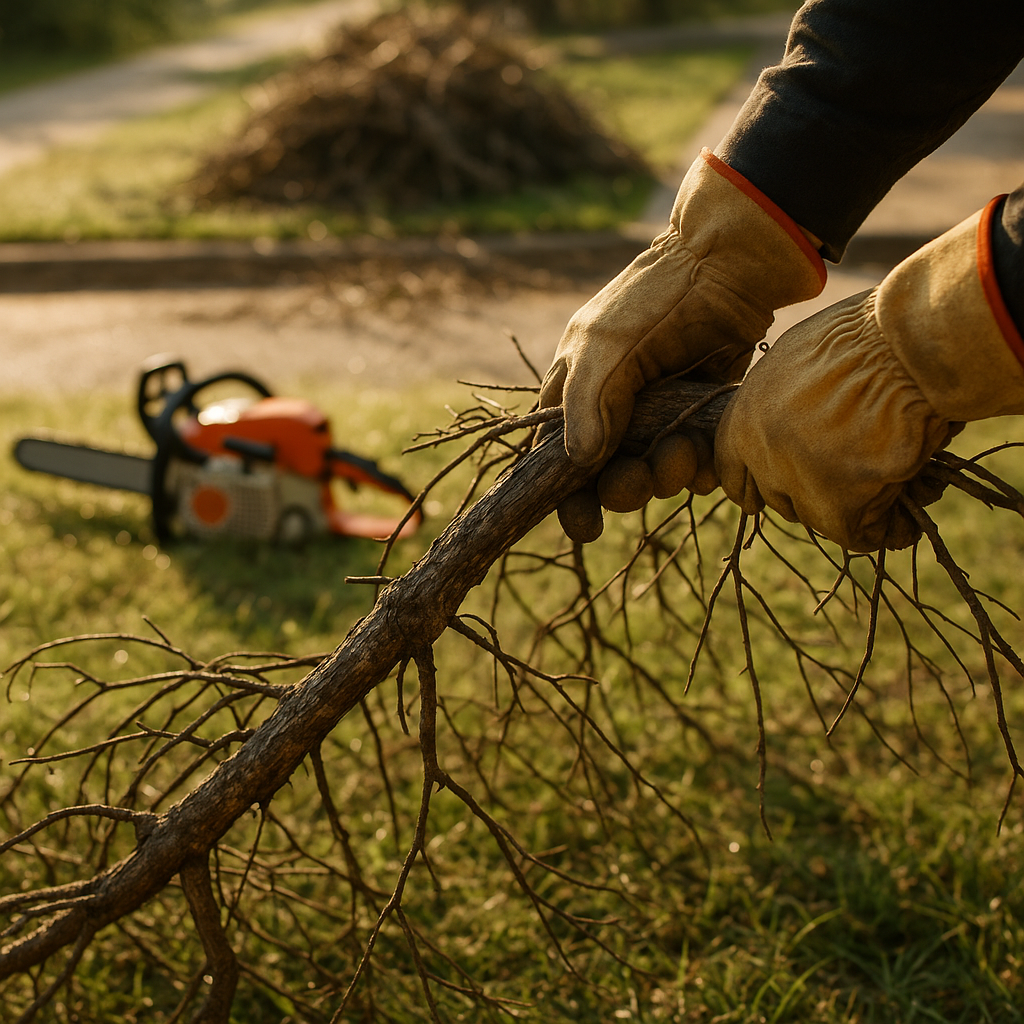
On Hurricane Handyman, post the job with photos of every debris area on the property. Answer two intake questions — approximate volume (small load, medium load, large load, or not sure) and whether debris can be left at curbside for municipal pickup. The curbside-vs-haul answer drives the bid significantly.
Local debris crews review the post and submit competing fixed-price quotes. You compare profiles and bids on the platform and pick the crew whose price and timing fit. Your payment sits in Stripe escrow until the property is clear.
Many municipalities offer free curbside pickup of vegetative debris in declared disaster areas (City of Tampa, Brevard County, Monroe County, and most Florida coastal counties run these programs after major storms), but homeowners are still responsible for getting debris to the curb in proper separation. Crews on the platform stage debris correctly for the city pickup when free pickup is available.
Before hiring, message crews directly. Ask whether they handle vegetative-only or mixed C&D and household debris, whether their bid includes hauling to a transfer station or curbside-only staging, how they handle municipal separation rules, whether they carry liability insurance, and how soon they can be on site.
Debris removal service runs across the Gulf, Atlantic, and Caribbean during active recovery. Post your job once your area has the all-clear and compare the quotes you receive.
How Debris Removal Works
What this covers
- When to call a pro versus tackling it yourself
- How fixed-price quoting works and what to look for in a bid
- What happens on the day of work and how long it takes
- How Stripe escrow holds your payment until the work is done
Why Hurricane Handyman for Debris Removal?
Local debris crews compete on price — vegetative, C&D, household, or mixed loads
Curbside staging or full haul-away — your choice in the bid
Escrow holds payment until the property is clear
Coverage across the hurricane belt and Caribbean during active recovery
What to Expect
Post Your Job
Upload photos of your property and answer a few simple questions about what you need.
Get Quotes
Local handymen and contractors review your photos and send you competing fixed-price quotes.
Choose Your Handyman
Compare quotes and profiles, and communicate directly with handymen before hiring.
Escrow Until Done
Your payment is held in escrow through Stripe until the work is done.
Related Services
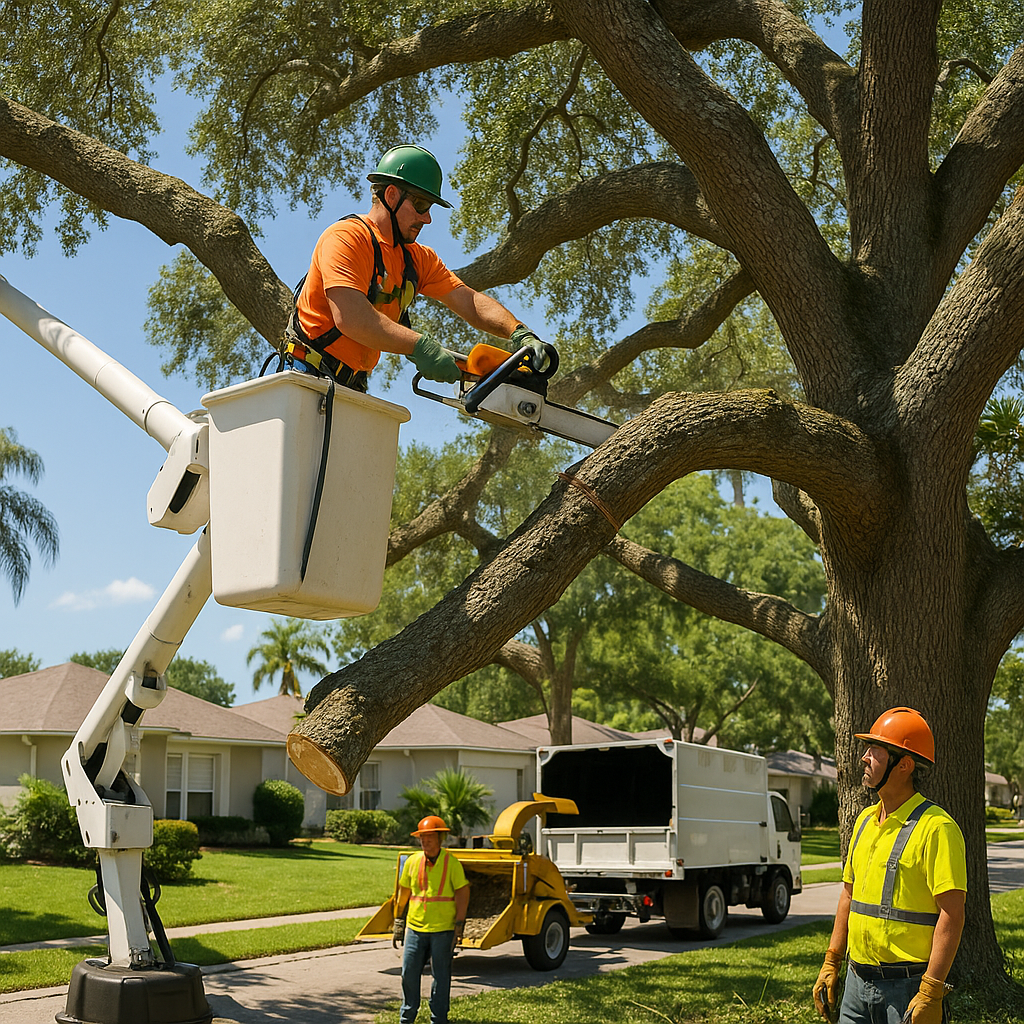
Tree Trimming & Removal
Overhanging branches and dead limbs become dangerous projectiles in a hurricane. Get pre-storm tree trimming from a local handyman before the storm arrives.
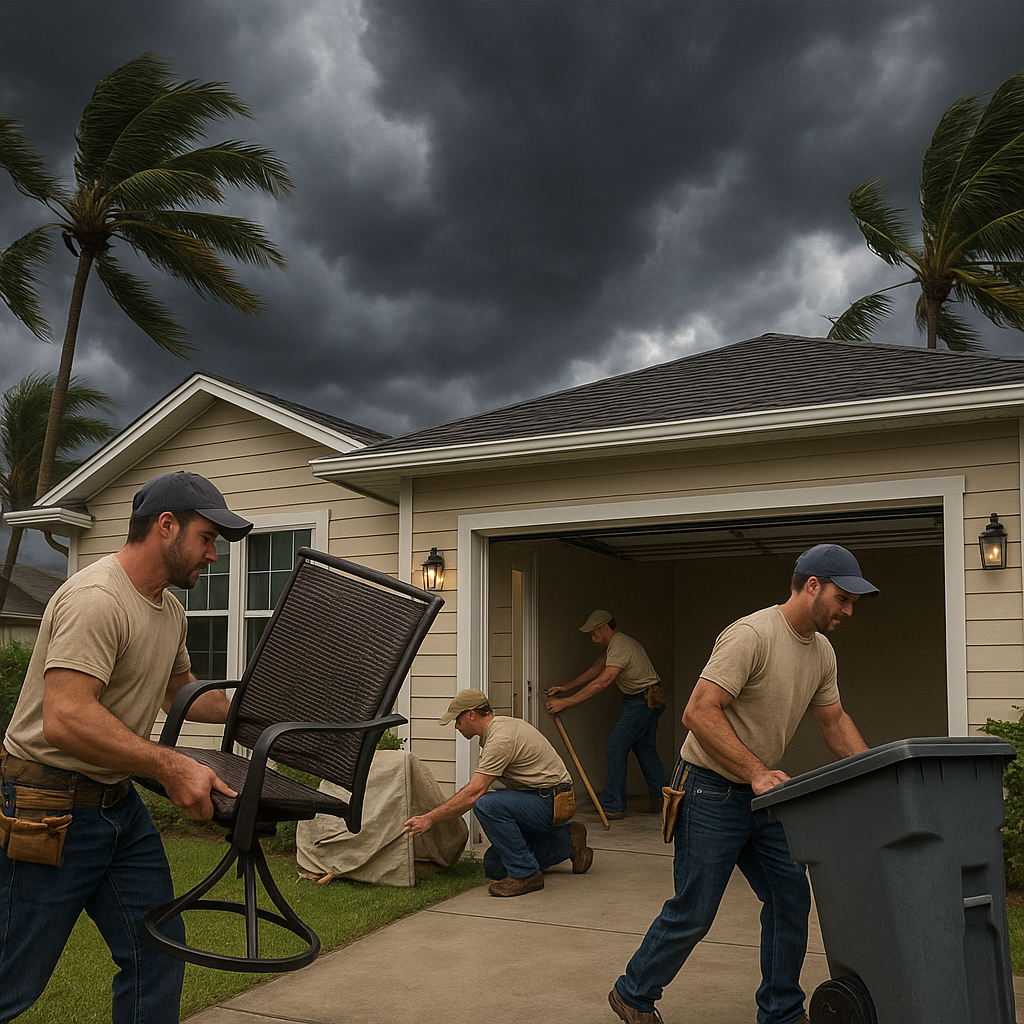
Storm Preparation & Cleanup
Need help securing loose items, bringing in furniture, or preparing your yard before a storm? Find a reliable local handyman or contractor to handle the heavy lifting while you focus on your family.
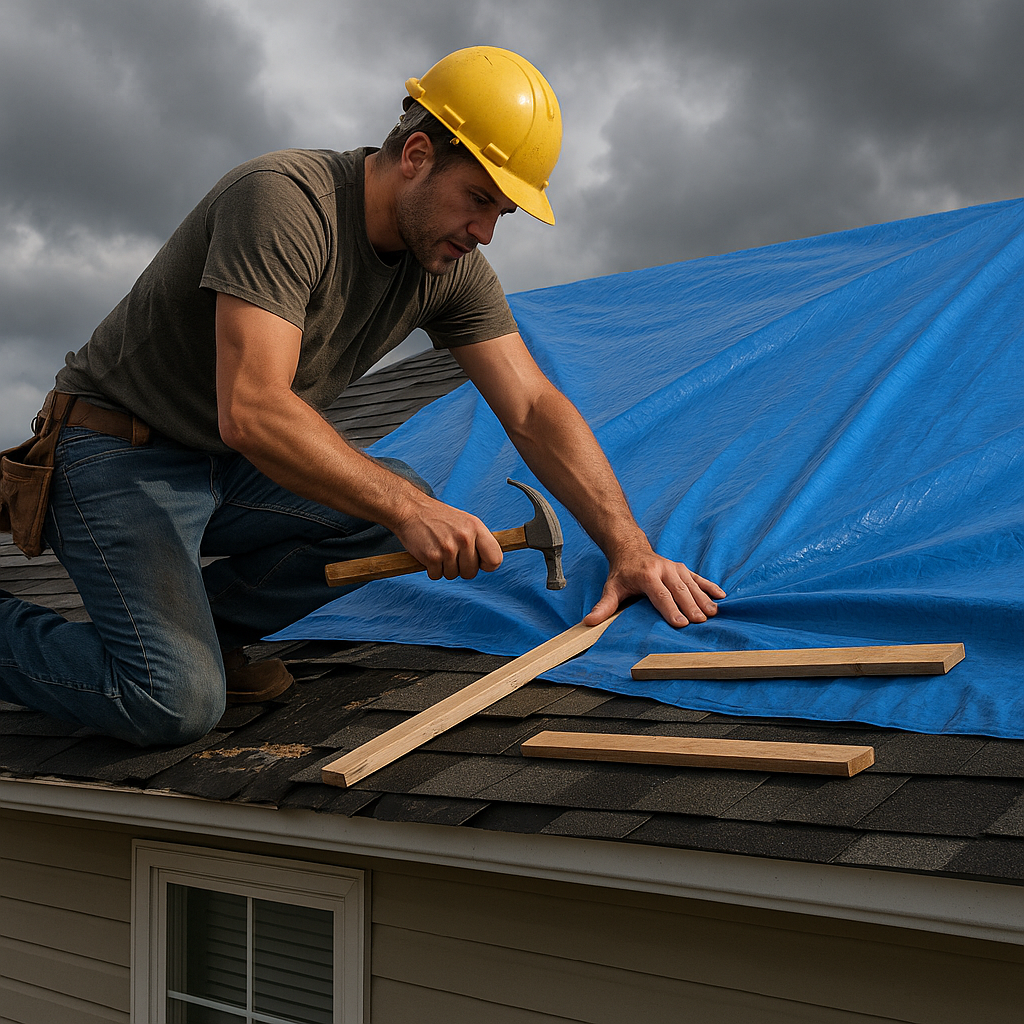
Roof Tarping
Every hour after hurricane roof damage means more water intrusion and higher repair costs. Post your roof tarping job and compare quotes from local handymen before a manageable repair becomes a catastrophic loss.
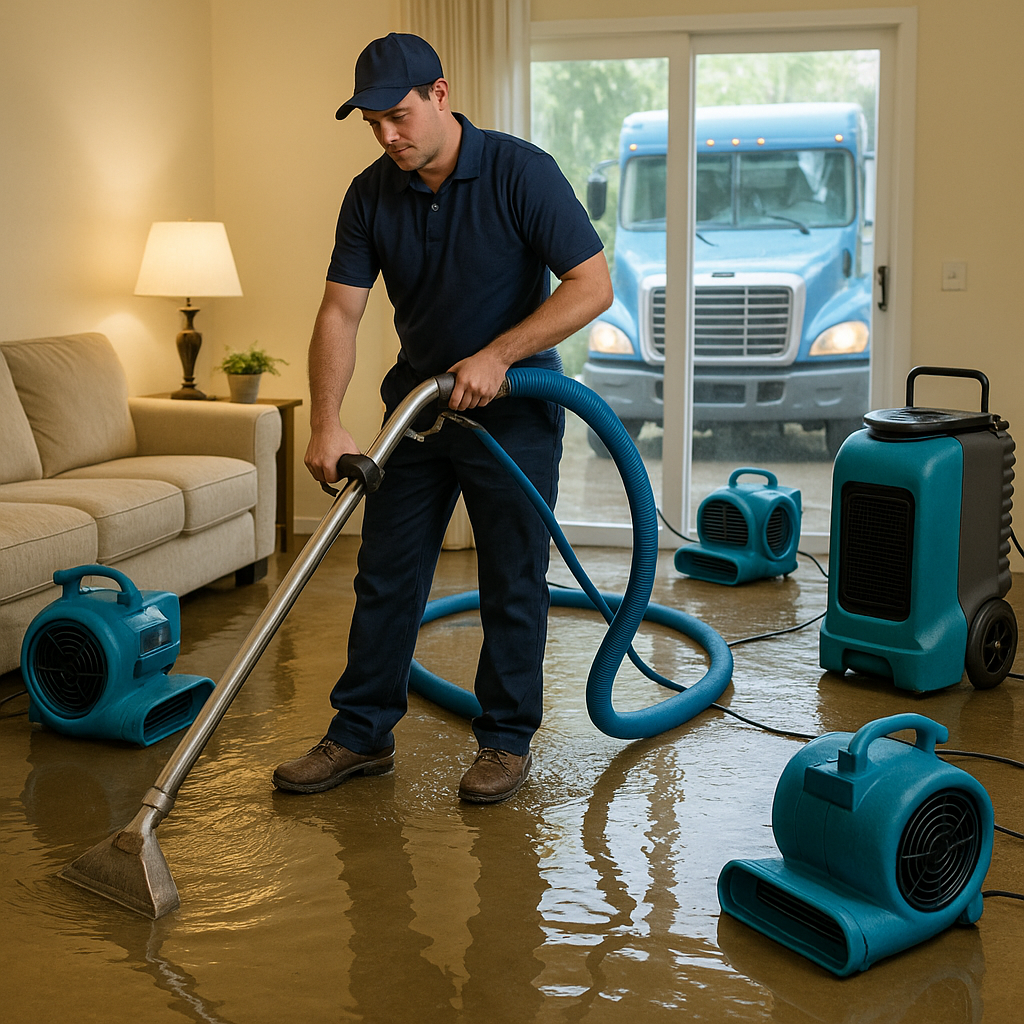
Water Extraction
Standing water after a hurricane must be addressed within 24-48 hours to prevent mold and structural damage. Get professional water extraction and dry-out service immediately.
Frequently Asked Questions
Who is responsible for clearing hurricane debris from my property?
How long does post-hurricane debris removal typically take?
Should I separate different types of hurricane debris?
Ready to get this done?
Post your debris removal job and get competing fixed-price quotes from local handymen and contractors.